



Skills needed for Angular developers in 2027? Our prediction: your next Angular developer will spend less time writing code and more time checking code an AI wrote.
The catch however: Angular now ships a new major version every year, and AI tools often write it the way Angular worked a few versions ago. Angular’s own docs admit it’s:
“a challenge to generate code for consistently evolving frameworks like Angular.”
Angular.dev
So the most valuable Angular skill in 2027? Spotting when the AI’s code is out of date, unsafe, or wrong for your system.
While publishing this post, BEEU TECH read 22 public Angular job posts to explain the Angular skills employers ask for.
The Summary: 7 Core Skills Every Angular Developer Should Have In 2027
1. TypeScript (the language Angular apps are written in)
2. Connecting to APIs (how one system asks another for data)
3. Automated testing (small checks to test that changes in one place doesn’t quietly break another)
4. CI/CD (a setup that tests and releases the code automatically, so nobody does it by hand)
5. RxJS (a library for data that keeps changing, like live search)
6. Familiarity with the Angular CLI MCP server (lets supported AI agents inspect a workspace, generate code, run builds and tests, and assist with migrations)
7. Ability to review and verify code that the AI agent writes in your Angular project
Do note: the MCP server doesn’t write code itself. It lets the agent look up current Angular docs and best practices, list your projects, run builds and tests, and plan an OnPush or zoneless migration. The agent writes the code. Angular still calls the server experimental, and it has a --read-only mode.
Only 5 of these skills came up most across the 22 job posts we read. TypeScript and APIs showed up in 17. Testing showed up in 16, CI/CD in 15, and RxJS in 14.
Looking for the full list of skills?
👉 See 22 skills Angular developers need 👈
P.S. The last two don’t show up in job posts yet. In our experience deploying AI across enterprise systems, they’re about to.
But first:
▣ What are you actually here for?
22 Core Skills Almost Every Angular Developer Should Know
Most of these are assumed for any Angular developer, across experience levels.
But, for your ease, we’re classifying them:
Angular developer skills · the full checklist
Tap on a filter to narrow it down.
TypeScript
The language Angular apps are written in
RxJS
A library for data that keeps changing: live search, updates streaming in
REST APIs
How the screens talk to your back-end systems
Testing
Automatic checks that nothing broke after a change. Vitest on new apps, Jasmine and Karma on older ones, Playwright or Cypress for end-to-end tests
JavaScript, HTML and CSS
What every web page is made of
Services and dependency injection
Services hold shared logic, like “fetch this customer”. Dependency injection is how Angular hands them to the screens that need them
Routing
Moving between pages inside the app, and deciding who’s allowed on each one. Look for this on CVs: provideRouter, routerLink, route guards
Lazy loading
Loading a section of the app only when someone opens it, so the first page loads faster
Git and CI/CD
Tracking every change to the code, and building and releasing it automatically
Angular CLI
The command-line tool that creates, builds and upgrades Angular projects
NgModules
The older way to group code, with the module hierarchy on top
Authentication
Logging users in safely, usually with OAuth 2.0
NgRx
A library for keeping shared data the same across many screens in very large apps
Component libraries
Ready-made buttons, tables and forms, like Angular Material or PrimeNG
Accessibility
Making the app usable with a screen reader or a keyboard, often to WCAG or Section 508 standards
Angular DevTools
A browser tool for finding problems in a running Angular app
Component architecture
Splitting every screen into small, reusable components, each with one job. Developers call this separation of concerns
Directives and pipes
Directives add behaviour to parts of a page, like a tooltip on hover. Pipes format what’s on screen, like dates and prices. Look for custom directives and pipes on CVs
Lifecycle hooks
The moments in a component’s life when code runs: when it appears (ngOnInit), when its inputs change (ngOnChanges), and when it’s removed (ngOnDestroy)
Change detection
How Angular decides which parts of the screen to redraw. A setting called OnPush, which checks a part of the screen only when its data changes, is on by default from Angular 22.
Responsive design and CSS
Screens that work on phones, tablets and desktops. Look for SCSS, Tailwind CSS or Bootstrap on CVs
Single sign-on (SSO) and SAML
One company login for every app, through a provider like Okta or Microsoft Entra ID. SAML is the older enterprise standard behind a lot of SSO, and in Angular apps it’s usually handled together with the back end. OpenID Connect, built on OAuth 2.0, is the newer one
That said, knowing how Angular compares with other web application frameworks like React, Vue.js or Ember.js is a real plus in a senior.
It’s how they’ll answer “When would you not use Angular?”, the best interview question in this guide.
▣ Skills to look for on an Angular developer’s CV, by area:
- RxJS: Observables, Subject and BehaviorSubject, and operators like map, filter, switchMap and debounceTime
- Routing: provideRouter (RouterModule on older apps), routerLink, ActivatedRoute, route guards, resolvers, lazy-loaded routes and the Location service
- Shared data: NgRx, NgRx SignalStore, and the Redux pattern NgRx is based on
- Apps that still use NgModules: NgModules, shared modules, and lazy-loaded modules
- Testing: Vitest, Jasmine, and Karma, Jest, Playwright, Cypress
- Debugging: Angular DevTools (it replaced the old Augury extension) and Chrome DevTools
- AI-assisted development: Using an agent to map an unfamiliar codebase, reviewing its diff, explaining generated code, and verifying behavior with tests instead of accepting a patch, simply because it compiles
- Login and security: OAuth 2.0, OpenID Connect, SSO, SAML, and identity providers like Okta, Auth0 or Microsoft Entra ID (formerly Azure AD)
- Styling: SCSS, Tailwind CSS, Bootstrap, Angular Material, PrimeNG
And also: Signals, computed, and signal-based input() and output(), toSignal, toObservable (the bridge between signals and RxJS), effect, linkedSignal, resource, and zoneless.
Do note: apart from signals and computed (stable since Angular 17), these Angular skills became stable in 2025 and 2026, so plenty of good developers haven’t used them yet.
▣ Best practices any skilled Angular developer should follow:
- They follow the official Angular style guide, so the code reads the same whoever wrote it.
- They keep components small, with one job each.
- They use reactive programming (signals for state, RxJS for streams of events) for data that changes over time.
- They keep apps fast with lazy loading, @defer, and Ahead-of-Time (AOT) compilation, which has been on by default since Angular 9 (and OnPush change detection, the default from Angular 22, though upgraded apps often still use the older setting)
- They write unit tests as they go, in Vitest, or Jasmine and Karma on older apps.
- They use AI coding tools for bounded tasks where useful, but inspect the diff and trace data, authentication, and integration paths before merging. A build passing tests is just where it starts.
What skills in Angular are important when AI Agents work within human-written Angular projects?
Well, the need for skilled Angular devs becomes even more important.
The advantage is the problem. 🙂
AI can build almost anything in Angular.
But, there are catches.
Like:
▣ AI tools may still get things wrong in Angular
Yes, an AI agent can help with writing code for your Angular projects.
But, it’s still optimized for earlier versions of Angular.
AI will write older-but-valid Angular code. But a skill Angular developer can add value by recognizing exactly what code should be modernized for a new project. And what should not.
Some examples:
| An AI Agent might | A skilled developer may change it to | Why |
|---|---|---|
Create an NgModule for a new feature or screen | Use a standalone component and import what that component needs | Since Angular 19, components are standalone by default, so new code usually does not need an NgModule. |
Add standalone: true to every component | Leave it out in Angular 19 and later | Angular 19+ already treats components as standalone unless the developer explicitly sets standalone: false. (read: the project might intentionally use the older module-based approach) |
Use *ngIf and *ngFor in HTML templates | Use @if and @for, in new templates | Angular deprecated NgIf in Angular 20 and tells developers to use @if instead. Old code still works, but new code should use the newer syntax. |
| Pass on services into a constructor | Use inject() in a class field when appropriate | Angular’s style guide prefers inject() because it can make dependencies easier to read and work with. Constructor injection remains valid. |
Use the old Default change-detection setting | Let modern Angular use OnPush, or choose it intentionally | Angular now defaults to OnPush; it also renamed the old Default behavior to Eager. Basically, decide: Will this component work correctly with OnPush, or does it depend on older change-detection behavior? |
| Manually subscribe to a simple HTTP request | Use signals or httpResource for simple reactive data | httpResource is a modern Angular tool for reactive HTTP loading and became stable in Angular 22. RxJS still makes sense for more complicated streams. |
Source: Angular.dev
But that’s not all. 🙂
▣ Why AI & Angular gets HARDER to manage at enterprise scale
Now, picture this: someone asks:
“Build a dashboard that identifies high-value leads, checks inventory in SAP, generates a proposal, and updates Salesforce.”
The Angular developer does not need to be the Salesforce or SAP specialist. They do need to trace where the frontend’s responsibility ends, find the contract it depends on, involve the right system owner, and test what happens when a dependency fails.
This seemingly simple request needs:
- Angular to render the dashboard and communicate with application APIs.
- The backend to coordinate between business operations and enforce authorization.
- While, Salesforce and SAP each have their own data models, APIs, and integration constraints.
- An AI agent with defined tools, scoped permissions, and clear rules about what it can execute.
- A well designed workflow that copes with partial failures, retries, duplicate actions, and also meet audit requirements.
Angular frontend
User interface, forms, dashboards, permissions-aware UX
Backend / API layer
Business rules, authorization, validation, orchestration
CRM
Salesforce
ERP
SAP
Content
CMS
AI services
Agents and tools
Salesforce’s own enterprise integration guide treats integration patterns and their selection as architectural decisions.
And here’s the key distinction: the Angular framework is not the biggest problem anymore.
The system around Angular is.
An AI coding agent can help integrate a Salesforce API client.
BUT: it’s never entirely clear if it understands your company’s CRM lifecycle, the meaning of each field, the approval process for a discount, or whether it is safe to update a deal automatically.
So, 3 separate problems show up (that any skilled Angular developer needs to solve in 2027):
-> Architecture (code-wise)
-> Core business context
-> Operational control

But first, the basics:
What Does An Angular Developer Even Do?
Angular is Google's toolkit for building the front end of big web apps, meaning the part people see and click: banking portals, internal dashboards, booking screens. Large companies pick it for apps that stay in use for years and have many developers working on them at once.
If you want the technical version:
Angular is a front-end web application framework for building single-page applications. That's an app that loads once, then swaps what's on screen without reloading the whole page. It's written in TypeScript and uses a component-based architecture, which is a fancy way of saying it's built from reusable pieces.
An Angular developer:
- Builds the screens out of reusable pieces called components. A search bar is one component. A table is another.
- Connects those screens to your other systems through APIs.
- Keeps the app fast as it grows.
- Writes tests, so a change in one place doesn't break something somewhere else.
- Keeps the app current when Angular releases a new version. That's once a year now.
- Reviews other people's code and fixes problems that reach real users. About half the job posts we read ask for these two.
How an Angular app works
From a click on the screen to your data, and back
What an Angular developer owns: the screen, the shared logic and the requests to your systems.
What the user sees
The screen
Built from reusable pieces: a search bar, a table, a login form.
Components · templates
Behind the screen
The shared logic
Code several screens use, like fetching a customer's details.
Services · signals · RxJS
Between systems
The request
The app asks your other systems for data and waits for the answer.
REST APIs · HttpClient
Your company's systems
The data
Customer records, orders, accounts. The back-end team usually owns this.
Back end · databases
So what should they know?
Let's start with what Angular skills most companies ask for.
Angular Developer Skills That Real-World Angular Job Posts Ask For
In September 2026, we read 22 live Angular job posts on a public job posting platform, 12 in the US and 10 in India.
How we picked them: we searched public job listings for "Angular Developer" in the US and in India on 28 and 29 September 2026. We kept only posts with the full description visible, one post per company, so the 22 posts come from 22 different employers. A skill was counted once per post if the post named it, and vague words like "performance" counted only when they clearly meant the app's speed. Most were senior roles (16 of the 22), so read the numbers as what employers ask of experienced developers.
The range: Banks, consultancies, government contractors and product companies, from entry-level roles to principal engineers.
Here's what they ask for, and how often:
Angular skills · what 22 job posts asked for
The buzzwords ARE important.
But the basics just show up more.
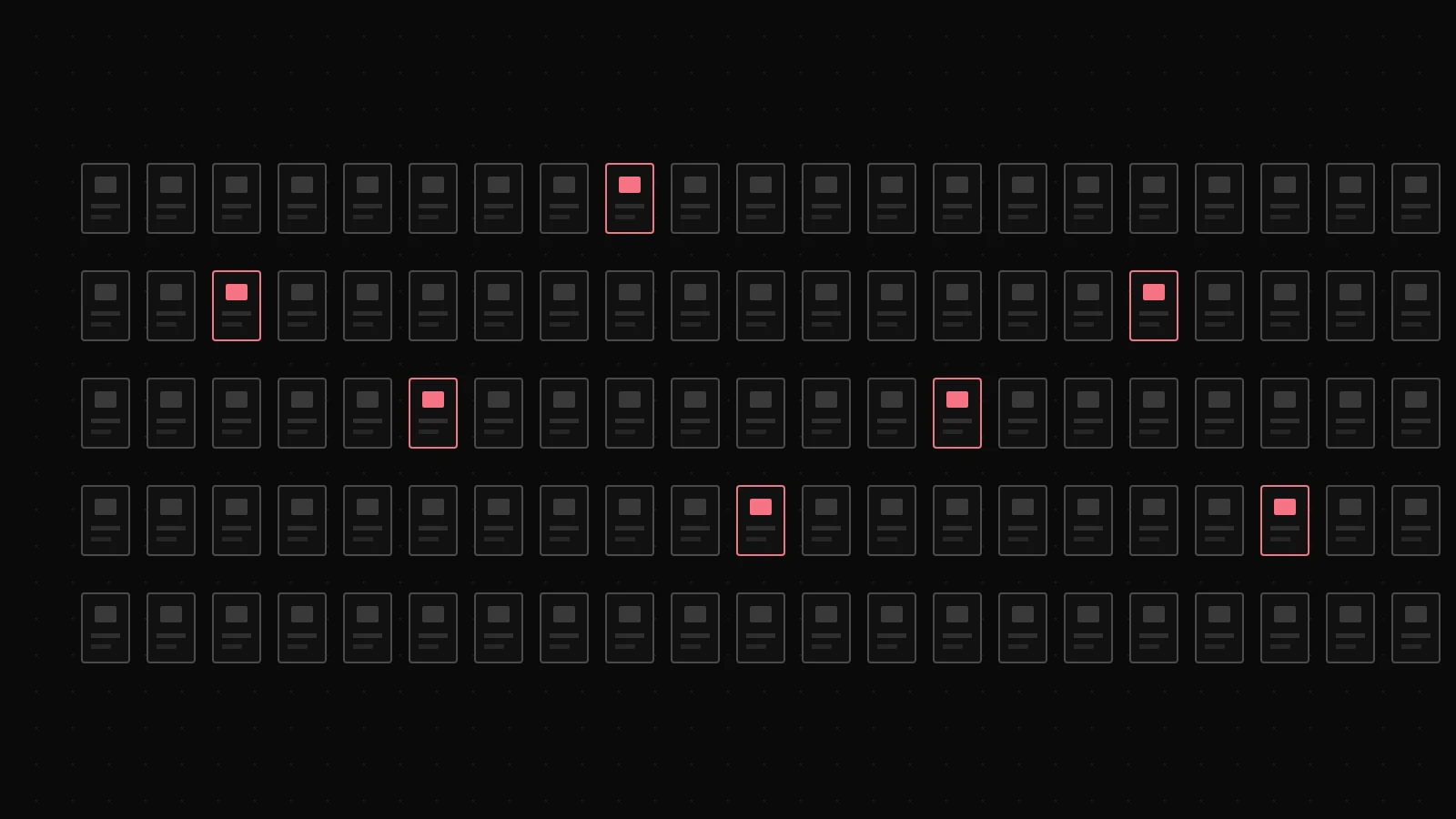
Each square is one of 22 Angular job posts we read in September 2026. Filled means that post asked for the skill. Watch the colour drain as you go down.
Senior Angular Developer roles mostly asked for five or more years overall.
Only 4 of the 17 senior requirement posts asked for five years of Angular itself.
Three things that stood out the most:
-> Most posts ask for the everyday skills.
-> TypeScript, APIs, tests, RxJS, reviewing code, and fixing live problems. And the newest Angular features barely appear.
-> AND: one of these posts we read actually asked for "5 yrs on Angular 17+". Angular 17 came out in November 2023, so there is a real years-of-experience trap in a real job post.
6 Angular Skills That The Best Angular Developers Have In 2027 (And What It Means For You)
Each of these is a big change in modern Angular, and each one is easy to ask about.
1. Signals
Why it’s important: even the largest pages don’t slow down after updates.
In plain English: Older Angular versions used to re-check the whole page after every click or update to find what changed. With signals, Angular knows exactly which parts of the screen depend on which data, so it only checks those.
Skills to look for on a CV: Signals, computed, effect, linkedSignal, resource, zoneless. "Zoneless" means the app no longer needs Zone.js, the older helper that triggered those full-page checks.
Ask this in an interview: "Tell me about a screen you moved to signals. What got better, and what got harder?" A strong answer can differentiate between positives and one trade-off (instead of the definition).
2. Standalone components
What you'd notice. Nothing, as a user. This one is about how the code is organised, and it makes the app easier to change.
In plain English: Components are the pieces a screen is built from. They used to be registered inside bigger containers called NgModules. Standalone components skip that step, so there's less setup code to read and maintain. They've been the default for new apps since Angular 17, and everywhere since Angular 19.
Skills to look for on a CV: Standalone components, migrated from NgModules.
Ask this in an interview: "Have you moved an app from NgModules to standalone components? What did you move first, and what slowed you down?” A strong answer describes doing it one section at a time while features kept shipping while also saying what went wrong (somehow, it always does).
3. The new control flow
What you'd notice. Again, almost nothing, as a user. It's the quickest check of whether someone's day-to-day code knowledge is current.
In plain English: Every screen has rules like "show this banner only to logged-in users" or "show one row per order". Since Angular 17, those rules are written as @if, @for and @switch, built into Angular itself. The older way, *ngIf and *ngFor, has been deprecated since Angular 20, which means it's on its way out.
Skills to look for on a CV: @if / @for / @switch, @defer, migrated from *ngIf.
Ask this in an interview: “Think of the last screen you built that shows something only some of the time. How did you write it, and what did you do with the older code around it?” And ideal candidates can actually explain what they had to fix by hand afterwards?
4. Typed reactive forms
Why it’s important: Forms keep working after updates, even long ones where fields get added over time.
In plain English: Forms are anywhere a user types something in: a sign-up page, a checkout, or a long insurance claim. "Typed" means the code knows what kind of value belongs in each field, so a developer's mistake gets caught before release instead of by a customer. Checking what users type is a separate job, done by validators. Signal Forms, a newer way of building forms, became stable in Angular 22.
Skills to look for on a CV: Typed reactive forms, FormBuilder, validators, Signal Forms.
Ask this in an interview: "What's the hardest form you've built? How did you make sure it kept working as it changed?" Listen for specifics: a form in several steps, rules that depend on other fields, tests that caught a break.
5. Server-side rendering
Why it’s important: Public pages appear quickly on phones instead of loading blank and filling in. Good for SEO as well.
In plain English: Normally the browser downloads the app and builds the page itself. With server-side rendering (SSR), your server builds the page first and sends it ready. Angular has offered this for years. Since 2023, a step called hydration makes those pages clickable sooner. It matters for public pages that need Google traffic, like a product or booking site, and much less for anything behind a login.
Skills to look for on a CV: SSR, @angular/ssr, hydration, Angular Universal (the older name), Core Web Vitals (Google's scores for how fast a page feels).
Ask this in an interview: "Did SSR make sense on your last project? Why, or why not?" The strongest answers explain: “What worked in the browser but broke on the server?”
6. The AI Angular skill: reverse-engineering an app before changing it
AI agents can help fully build new Angular projects and can also work against an existing workspace when the right tools and context are available.
In reality, the whole Git may be running out of a "Final_Really_FINAL_TRUST_ME" repo that nobody dares change.
So, when AI enters the picture, things change. Especially when it's complex enterprise application architectures. Ones that have evolved over years.
An agent might understand the visible layer and still not fully comprehend at the application layer. Or it might produce working code that creates a security problem.
Why?
The legacy project may combine several Angular versions, older module patterns, Java/.NET services, Salesforce customizations, custom services, shared state, authentication rules, CI pipelines, and APIs whose behavior is documented somewhere other than the component being changed.
Or worse, Ian, the architect lead, might have wrote it in 2019, and nobody has dared touch the Git repo since then.
And Ian now works elsewhere.
So, the key takeaway for enterprises looking for skills in Angular devs in regards to AI:
See if they can feed the agent repository context, system knowledge, and reliable verification. Because the deeper the change, the bigger the risk of the application going dark.
What "feeding the agent context" looks like in practice:
↳ A rules file in the repo that tells the agent how your team writes Angular. Angular publishes ready-made ones for Gemini and Antigravity, Copilot, Cursor, JetBrains, VS Code and Windsurf.
↳ Angular's official agent skills, installed with "npx skills add https://github.com/angular/skills" (there are two: angular-developer and angular-new-app)
↳ Angular's best-practices.md and llms.txt, so the agent reads the current docs instead of guessing.
↳ The Angular CLI MCP server, in read-only mode, so the agent can check the docs and your project before it suggests anything.
Ask in the interview: "What does your AI agent read before it touches our code?" A strong answer names at least one of these, and says the rules file gets reviewed like any other code.
A strong Angular developer working with AI should be able to do the following before making a significant change:
- Map the current behavior. Establish the Angular version, workspace structure, existing conventions, test commands, and where the feature begins and ends.
- Trace the full request. Follow a user action from route and component through services, HTTP interceptors, the API contract, and the state shown on screen. Do not assume the bug belongs in Angular simply because it appears in the browser.
- Use the agent without surrendering judgment. Ask it to locate likely files, summarize the existing flow, or propose a small change. Review what it plans to edit before accepting a broad rewrite.
- Check the system boundary. An Angular screen may use an internal API backed by Salesforce or SAP, or launch a payment provider’s flow. The developer needs to understand the contract and know when the API, security, identity, or platform owner must be involved. They should not move secret keys into browser code or assume the frontend owns a vendor integration end to end.
- Prove the change. Read the Git diff, run the relevant tests, add tests for the changed behavior, and check realistic failure states such as expired login, timeouts, empty responses, duplicate actions, and failed requests where applicable. Know how to isolate or revert the change.
Red flags in an AI-written change (any one of these means: the dev has to stop and ask why):
- It edits files the task never mentioned.
- It adds a new library nobody asked for.
- It changes config or lock files.
- A test got deleted, skipped, or "fixed" by changing what it expects.
- A key, token or password moved into browser code.
And one trick worth stealing: run the new test against the old code first. If it passes there too, it proves nothing.
DO NOTE: This does not mean every Angular developer must be a full-stack engineer or know every CRM, ERP, CMS, or payment platform. But, adaptability, really really really helps.
The hiring team must define whether the role owns the Angular interface, consumption of existing APIs, or integration design across systems. Then assess whether the candidate can recognize that boundary and work with the right people.
What to look for: a candidate who investigates before editing, spots patterns across the codebase, asks an AI agent focused questions, challenges its output, and can explain why the resulting change is safe.
Also: This is not a claim that Angular is uniquely difficult for AI agents. Angular's conventions, TypeScript types, and dependency injection can give an agent useful signals about how a project is organised. Large applications built with React or other stacks can have the same problem. Assess the developer against the codebase, integration boundaries, and responsibilities they will actually own, not against the framework name alone.
Next: how much of it, at what seniority.
What Skills To Look For In Junior, Mid, Or Senior Angular Developers?
What to look for by seniority
Junior, mid or senior Angular developer?
See what each one actually owns.
What they do
Builds screens inside a structure someone else set up. Fixes bugs. Tests their own work.
Not their job yet
Deciding how the app is organised, or leading an upgrade.
Must-have skills
HTML, CSS and JavaScript. TypeScript. Components, data binding, directives and pipes. RxJS basics (reading data that arrives over time). Services and dependency injection. Routing. Reactive forms. Calling REST APIs. Git. Unit tests for their own code. Can explain and verify small AI-assisted changes.
What they do
Owns a feature from the screen to the API. Reviews junior code. Fixes problems in the live app.
Not their job yet
Deciding how the whole app is organised.
Must-have skills
Everything a junior needs, plus RxJS operators and error handling, signals, standalone components and the new control flow. Typed reactive forms. Lazy loading, route guards and interceptors. OnPush change detection (why a screen stops updating, and how to fix it). NgRx or a simpler shared-data setup. End-to-end tests. CI/CD. Login with OAuth 2.0 or SSO. Code reviews. Can trace unfamiliar code and verify bounded changes suggested by AI.
What they do
Decides how the code is organised and when to upgrade. Sets standards. Mentors. Owns speed. Explains trade-offs to product people.
Not their job yet
Spending most of the week on routine screens.
Must-have skills
Everything a mid needs, plus app architecture (and Nx monorepos or micro-frontends when the app is big enough). Upgrades across versions with the Angular Update Guide. Speed: Core Web Vitals, @defer, SSR and hydration, zoneless (if your app runs without Zone.js). Security: SSO with SAML or OpenID Connect, the PKCE safety step for provider logins (it makes a stolen login code useless to the thief), and safe token handling. Accessibility (WCAG). Mentoring and code standards. Can use agents for analysis and implementation without outsourcing architecture, integration, security, or release judgments.
For an entry-level hire, Angular itself is a bonus. Solid HTML, CSS and JavaScript, and how quickly they pick things up, matter more.
Watch one thing with a senior hire: If they're the only person who understands the newest parts of Angular, every code review waits for them. A good senior leaves the rest of the team able to do it too.
What Angular developers cost on average:
What Angular developers cost · US average total pay
Angular pays about $10,600 more than React, on average.
Source: Glassdoor.
Angular developers earn about $10,600 a year more than React developers on average. That surprises people, since React is more widely used. One reason: fewer developers work in Angular, so the good ones get more offers.
In India, AmbitionBox puts the average at ₹3.7 to 4 lakh a year for 1 to 3 years of experience, and ₹6.7 to 7.4 lakh for 3 to 6 years, based on about 9,700 reported salaries.
For the US, the UK, the UAE, Saudi Arabia, Qatar or Singapore, BEEU TECH's cost calculator adds taxes, benefits, hardware, visa and HR costs to the salary, so you see the whole cost of the hire.
What does a mid-level frontend developer really cost you in the US?
The salary is the line everyone quotes. The rest of the receipt is where the budget goes. Pick yours and see the whole bill.
RoleHIRING RECEIPT · USD / YEAR
USA · Mid Frontend
calculator
With a budget and a seniority in mind, you can write the post itself.
How to Source (and Vet) the Right Angular Developers?
Now, recruiters and hiring managers, this is for you (in case you already didn’t know):
You're hiring someone to build parts (or the whole) of your web app, connect it to your other systems, and keep it fast and up to date.
Your job here is to ensure you qualify the right Angular dev for the interview panel. Here’s how you do exactly that:
- Ask which version your app is on: Angular or AngularJS (and the version)
- Spend ten minutes with whoever asked for the hire: what will this person own in six months?
- Write the JD: the version line, six must-haves, and three or four nice-to-haves. Or let the JD builder draft it.
- Evaluate the candidates based on their answers (we show what good ones sound like)
- Run a one-hour interview: you can use some of the questions in this guide. Tell candidates what the interview covers, and keep any coding task short and close to your real work.
- Before day one, agree on what good looks like in week one, week two, month one, and month three.
Now, let’s break it down:
STEP 1: Figure Out Which Angular You’re Hiring For: Angular or Angular JS?
Now, why does the version of Angular matter? Or if it’s Angular vs Angular JS?
Because they're two different frameworks (toolkits developers build web apps with).
AngularJS is the original, from 2010.
In 2016, Google rebuilt it from scratch and called the new one Angular.
Support for AngularJS ended in January 2022, so it gets no new features and no security fixes.
So, if you’re adding Angular JS as a skill in your JD, you might get CVs from people who look after older apps.
Write "Angular," and you'll hear from people working in the current version.
But there are a lot of versions of Angular, the one that Google rebuilt in 2016, like:
"Angular 2+", "AngularX", even "Angular JS/TS".
How to check which one your team uses. Ask your tech lead one question:
"Is our app on Angular or AngularJS, and which version?"
Version 1.x is AngularJS. Anything from 2 up is Angular.
The current version is Angular 22, released in June 2026.
Pro Tip: If you already have an Angular dev on your team, get them to set questions for your screening call. If they struggle: give em’ a starting point. Like, you could ask them to set questions based on which version the app is on, what's unfinished, and which parts break easily.
Do note: Angular 2 to 19 no longer get support or security fixes, and Angular 20's long-term support ends in November 2026. If your app is on one of those, the real job probably includes an upgrade, so say so in the JD.
Angular vs AngularJS
Angular vs AngularJS?
What's The Deal?
Version 1.x
AngularJS
Support ended 2022. You need a maintenance or migration hire.
Version 2 and up · now 22
Angular
The modern framework, and where today’s work happens.
AngularJSversion 1.x
Angularversion 2 and up
2010. AngularJS, version 1.x, comes out.
2016. Google rebuilds it from scratch as Angular, version 2 and up. A different framework with a similar name.
January 2022. Support for AngularJS ends. No new features, no security fixes.
June 2026. Angular 22 is the current version.
Next:
Step 2: Spend Ten Minutes With Whoever Asked For The Hire.
Before you write it, Ask three things: which version the app is on, what the person will do in their first six months, and what "done" looks like. A request for "an Angular developer" often turns out to mean "someone to move us from Angular 12 to 22 without stopping feature work". That's a senior role with a specific track record, and the JD should say so.
Then write the six parts of your Angular JD:
- The version line. "Angular 17 or later" or "AngularJS 1.x, moving to modern Angular." Put it near the top. It's one of the first things a candidate checks.
- What they'll build. The app, who uses it, and whether it's internal or customer-facing. Two sentences is enough.
- Must-haves. Six is plenty. The copy-ready template has six, and the JD builder adds a seventh only when the job is likely to include an upgrade.
- Nice-to-haves. Three or four, clearly marked as optional, so good candidates don't rule themselves out.
- What they'll own. A feature, an upgrade, the whole front end. This tells candidates the seniority better than a years line does.
- The practical details. Location, remote or hybrid, working hours, and a salary range. Keep the range in. Candidates notice when it's missing, and some won't apply without one. Hiring in India for a US team, or the other way round? Say how many hours of overlap you need, and which hours.
⚠ The years-of-experience trap
Signals arrived as a preview in Angular 16, in 2023, and the basics became stable later that year in Angular 17. So in 2026 or 2027, nobody should have more than about three to four years of them. A post asking for "5 years of Angular Signals" asks for something no CV can have yet.
It's an easy line to write. Candidates who know Angular well will notice it, and it can put them off applying.
The same goes for every newer feature. Here's what's realistic to ask for in late 2026 or early 2027:
Nobody has 5 years of signals. Ask for the right amount.
Signals are about three years old. A post asking for "5 years of Angular Signals" asks for something no CV can have yet. How much actually exists:
Angular (modern)
since 2016
About 10 years
3 to 5 years for mid, 5+ for senior
Standalone components
since 2022
About 4 years
"Has built with standalone components"
Typed reactive forms
since 2022
About 4 years
"Has built typed reactive forms"
Signals
since 2023
About 3 years
"Has used signals in a live app"
New control flow
since 2023
Under 3 years
"Writes @if and @for"
Zoneless apps
since 2025
About 1 year
Must-have if your app runs on Angular 21 or later (it's the default there). Nice-to-have otherwise.
Signal Forms
Stable in 2026
A few months
Nice-to-have
STEP 3: What To Put In An Angular Developer JD (Copy-Ready Template)
Want it filled in for your team?
The JD builder asks four questions, writes the first draft and flags anything that contradicts itself. If you'd like profiles that match it, you can copy it and email it straight to us. Simple, really! 🙂
Angular JD builder
Four answers. One job description you can post.
Pick one option per question. The builder writes the first draft and tells you if two answers contradict each other.
01What kind of Angular work is this?
02What version is your codebase on?
03What do you need this person to do?
04Where are you hiring?
Answer all four to see your draft.
The raw Angular JD format:
[Job title]: [Mid / Senior] Angular Developer
About the role
We're hiring an Angular developer to [build / take over / modernise]
[the app], used by [who uses it]. Our app runs on Angular [version].
What you'll own
- [A feature, an upgrade, or the front end of a product]
- Reviewing code, and fixing issues that reach production
Must-have
- [3+ / 5+] years building production apps in modern Angular (version 2 or later)
- TypeScript and RxJS
- Connecting to REST APIs
- Unit testing (Vitest, or Jasmine and Karma)
- Git, and working through code reviews
- Standalone components, @if / @for, signals and typed reactive forms, used in a live app
Nice-to-have
- End-to-end tests with Playwright or Cypress
- [Angular Material / PrimeNG], if that's what we use
- Server-side rendering, if we have public pages that need search traffic
- NgRx, if we use it
The details
- Location / remote: [ ]
- Working hours and overlap: [ ]
- Salary range: [ ]
A good JD gets the right people to apply. Next, telling which of them can do the work.
STEP 4: Create The Questions (And Know What Good Answers Sound Like)
Here’s how to tell real Angular experience from rehearsed answers. You can hear a lot without reading code. Some things only a developer can judge.
What you can judge. Whether an answer is specific: a version, a trade-off, something that went wrong. Whether it falls apart on the second “why?”.
What you can’t. Whether the answer is correct. A confident wrong answer sounds just like a right one.
When a developer needs to be there. For the code part (minutes 30 to 50), and before any “no” that rests on a technical answer. Best case, your developer sits in for the full 20 minutes. If that’s not possible, take notes word for word and have them read the notes before you decide.
When to stop. Ask “why?” twice. If you still can’t tell whether the answer is real, stop. Write it down and hand it to the developer. Don’t reject anyone on an answer you couldn’t judge.
If you're technical, each row also has a deeper question to ask next.
Interview questions · and what good sounds like
The questions, and the answers to listen for.
You are judging how someone explains their decisions. Real experience sounds specific. Tap a question to see what a strong answer includes.
"Walk me through the last Angular app you worked on. Which version, and who used it?"
A strong answer includes
A version number, who the users were, which part was theirs
If you’re technical, ask next
How the app was split into features, and why
"What changed in Angular in the last two years that changed how you work?"
A strong answer includes
Any of: signals, standalone components, the new control flow, zoneless apps, Signal Forms, Vitest. Always with an example from their own project
If you’re technical, ask next
When they'd still reach for RxJS instead of signals
"Tell me about a bug that took you more than a day to find."
A strong answer includes
What they suspected first, and why. How they checked(Angular DevTools, the browser console). What the cause turned out to be. What they changed so it can’t happen again. Naming tools is fine. Naming only tools, though? Weak answer.
If you’re technical, ask next
Why a screen can fail to update after the data changes. On Angular 22 apps, the OnPush default is one of the first things to check.
"Someone's login runs out halfway through their work. What should the app do, and where would you handle it?"
Also ask:
“Say five requests fail at the same moment. What happens?” and “What went wrong the first time you built this?”
One central place that every request to the server passes through, usually called an interceptor. It catches the ‘login expired’ failure. If several requests fail at once, it renews the login once, holds the others, then sends them again. If the renewal fails, it sends the person to the login page without losing their work.
If you’re technical, ask next
Where does the login pass live? In the app’s memory, the central place stamps it onto each request. In an HttpOnly cookie, the browser sends it on its own, and the central place only handles the failure and the renewal. Ask which they chose and why. Rarely in local storage, which any script can read.
"How do you test your code? What do you not bother testing?"
A strong answer includes
What they test, what they skip and why, and the tools (Vitest, or Jasmine and Karma on older apps)
If you’re technical, ask next
Testing a component that loads data from an API
"Which parts of your work do you let AI tools write, and which parts do you always check yourself?"
A strong answer includes
Named parts they always check: data loading, anything touching security, and background connections that never close, a common cause of memory leaks
If you’re technical, ask next
What they look for first when reviewing a teammate’s code
"Have you upgraded an app to a newer Angular version? Which versions, and what took the longest? What went wrong?"
A strong answer includes
A specific jump, like Angular 14 to 17, and which part took longest
If you’re technical, ask next
How they kept features shipping during the upgrade, and what packages they used outside of Angular
"Tell me about a change where an AI tool wrote part of the code. What did you reject or change, and how did you verify the result?"
A strong answer includes
A concrete example, a suggestion they changed or rejected, and specific checks or tests. They can explain why they did not trust the first output blindly
If you’re technical, ask next
What did the diff change? Which relevant test was missing? What could pass tests and still break in production?
"You’re joining a repo you didn’t build. A checkout status is wrong after the user returns from the payment provider. How would you trace it before changing code?"
A strong answer includes
Establishes expected behavior and a way to reproduce it, then follows route, component, service, API response, and state. Checks the contract and failure behavior before blaming Angular or the provider.
If you’re technical, ask next
Where would you inspect route handling, API mapping, authentication/interceptor behavior, and state after navigation? What does the server treat as the source of truth?
"An AI-assisted workflow needs to check inventory in SAP, draft a proposal, and update a Salesforce lead. What do you need to know before changing the Angular side?"
A strong answer includes
Separates the UI from backend or integration-layer execution. Identifies the internal API/tool contracts, data ownership, server-side authorization, actions that need human approval, auditability, and expected behavior when one system succeeds and another fails. Knows when backend, integration, security, or platform owners must be involved.
If you’re technical, ask next
What must stay server-side? How would you test provider errors, stale data, timeouts, and duplicate actions? Or, what happens if the SAP read succeeds but the Salesforce update fails? How would a retry avoid a duplicate action? Which service is the source of truth, where are permissions enforced, and which actions require approval?
If a candidate can't think of one, they may not have had to make that call yet. Fine for a junior.
Worth a second look for a senior hire.
Ask one question they probably can't answer, and say so first.
Something like "Not everyone has had to do this, so it's fine if you haven't."
Pick one just past their experience: the login question for someone early in their career, a much bigger team or app for a senior.
Then listen. "I haven't, but here's how I'd find out" is a strong answer, and so is a question back to you.
It tells you how they'll handle the parts of your app they don't know yet.
STEP 5: Run The Interview
Tell candidates beforehand what the hour covers, and keep it to what the job post asks for. They prepare for the job in the post, so a surprise round of puzzles tells you little about how they'd do that job.
| Time | What happens |
|---|---|
| First 10 minutes | Their background, in their own words |
| Minutes 10 to 30 | Three questions from the list above, picked for the level you’re hiring. Give each 5 minutes: 2 to answer, 3 for two ‘why?’ follow-ups. Then ask ‘When would you not use Angular?’ (4 minutes). Leave 1 minute to write notes. |
| Minutes 30 to 50 | Your tech lead joins, or a developer you trust. Show a small piece of code like yours, with a few problems left in, and ask what they'd change. Or work through a small task together. The internet and AI tools are allowed, as they would be at work, so ask them to explain anything a tool wrote. |
| Last 10 minutes | Their questions for you |
If you'd rather set a task to do at home, keep it short, and talk it through in minutes 30 to 50. A long unpaid test tends to lose the candidates who have other offers.
Common Angular coding test tasks (and what a good fix looks like):
Pick one. Keep it small.
Common coding-test tasks
Pick one. Keep it small.
Find and fix a bug in a small Angular app
Tests Debugging and troubleshooting
A good fix They find the cause, quickly or step by step, and explain it in a sentence. Ask how they knew. If an AI tool found it, they can say why it’s the cause and what else they’d check. Tools that they may use: Angular DevTools and Chrome DevTools, etc.
Fix a TypeScript error in a short snippet
Tests TypeScript, a superset of JavaScript that adds static typing, so many mistakes show up before the app runs
A good fix They read the error and fix the type instead of switching the check off. VS Code points straight at it, and the Angular Language Service does the same inside templates
Update a snippet written for an older Angular version
Tests Compatibility between versions, and knowing what changed
A good fix They follow the official Angular Update Guide and use ng update to move versions. Then they run Angular’s separate rewrite tools for the routine changes. The one that moves *ngIf to @if is ng generate @angular/core:control-flow. They can say what changed between the two versions.
Write a unit test for a small component or service
Tests Unit testing
A good fix A test that fails when the code breaks, in Vitest, or Jasmine and Karma on older apps
Fix the login expiry in a small app
Tests Authentication and authorization with OAuth 2.0, OpenID Connect your SSO provider. Can they work with code they didn’t write?
A GOOD FIX HERE They ask what the app does today. They spot that each failed request starts its own renewal, or that nothing catches the failure. They explain the fix in a sentence. How the login tokens get added to requests by an interceptor, and how one renewal serves every request that was waiting.
AngularJS roles: find a bug in a small AngularJS app
Tests Debugging AngularJS
A good fix They know how $scope and the digest cycle work. Batarang was the classic AngularJS debugging extension, but it’s no longer maintained, so today most of this happens in Chrome DevTools
How to score a task if using AI is allowed.
The fix tells you little, because a tool can write it. Score these:
- Did they check what the tool gave them before trusting it?
- Can they explain the fix in plain words, line by line if you ask?
- Did they spot one mistake or risky bit in what the tool wrote?
- Can they change it when you change the request (example: “now handle two logins at once”)?
- Did they investigate the existing behavior and relevant tests before asking the agent to rewrite anything?
- Did they check the API contract, authentication, error states, retries, or side effects that matter for this task, rather than testing only the happy path?
- Is the change small enough to review and revert, with tests that check behavior rather than simply repeat the implementation?
- For a production-facing or high-impact change, did they explain how they'd release and observe it, and how they'd disable or roll it back if something went wrong? For actions with business consequences, did they identify the required permissions, audit trail, and approval gates?
The scorecard puts all of this in one spreadsheet, with 18+ questions and a column to score as you go.
The Angular interview,
most asked to rarely asked.
Which questions tell you the most about a candidate, what a strong answer sounds like, and what to ask next.
Email me the scorecardWork email. You immediately get the file link. Simple
Say you've hired someone. How do you know it's going well?
STEP 6: What To Measure Once They Start (And What Not To)
Measure what the app and the team get, and never what one person types. Counting commits or lines of code tells you how busy someone looked, and it pushes people to split work into small pieces so they look busier.
In the interview, ask what they improved and how they knew. A strong answer comes with a before and after on one of these:
- How fast the key pages load. Google counts a page as good when its main content shows within 2.5 seconds.
- How many bugs reached real users.
- How often a release broke something.
- How long a small change took to go live.
Before they start, agree on what good looks like at four points.
| When | What good looks like |
|---|---|
| Week one | They can run the app on their own machine, and they've shipped one small fix |
| Week two | They pick up normal tasks with only light help |
| Month one | They own a small feature from start to finish, and their code gets through review without big rewrites |
| Month three | They ship features without much help, review other people's code, and have fixed at least one problem in the live app |
A new developer is paid from day one but usually isn't shipping on their own for weeks. These checkpoints tell you by week two whether that gap is closing, instead of in month six.
Short answers to what people ask most:
PEOPLE ALSO ASK ABOUT SKILLS ANGULAR DEVS SHOULD HAVE
What skills should an Angular developer have in 2027?
TypeScript, RxJS, testing, connecting to APIs, and recent Angular (17 or later), plus reviewing code and fixing problems in live apps. On top of that come the five modern skills: signals, standalone components, the new control flow, typed reactive forms and server-side rendering, and the ability to read and fix AI-written code.
What tools should an Angular developer know?
The Angular CLI, VS Code with the Angular Language Service, Angular DevTools and Chrome DevTools for debugging, Git, a test runner (Vitest, or Jasmine and Karma on older apps), and Playwright or Cypress for end-to-end tests.
What's the difference between Angular and AngularJS?
Two separate frameworks. AngularJS is the 2010 original, and its support ended in January 2022. Angular is the 2016 rebuild, now on version 22.
How many years of experience does an Angular developer need?
One to three for a junior, three to five for a mid, and five or more for a senior, counted in Angular overall, never in one feature.
What should I put in an Angular developer job description?
The version your app runs on, what the person will build and own, six must-haves, three or four nice-to-haves, and the practical details.
How do I assess Angular skills if I'm not technical?
Ask about real decisions from their own projects, and listen for a version number, a trade-off and something that went wrong. Then ask "why?" again. A first answer can be rehearsed. The second one shows what they actually did.
How long should an Angular interview be?
About an hour: ten minutes on their background, twenty on three project questions plus ‘When would you not use Angular?’, twenty on a small task with your tech lead, and ten for their questions.
Can a React developer do an Angular job?
Often, yes, if their JavaScript is strong. Expect a learning period, and a longer one if they've never used a typed language like TypeScript, Java or C#, where the code spells out what kind of data each thing holds. For a senior role that sets standards or leads an upgrade, look for real Angular experience.
Should I hire or train my existing team?
Train if you already have one strong modern Angular developer with time to teach. Hire if the work has to ship this quarter.
Are Angular developers still in demand in 2026?
Yes. When we checked on 28 September 2026, LinkedIn listed more than 8,000 open Angular developer roles in the US and more than 4,000 in India. The pool is smaller than React's: Angular is used by 18.2% of developers in the Stack Overflow 2025 survey, against 44.7% for React.
How much does an Angular developer cost?
In the US, Glassdoor puts average total pay at $131,755, and $151,806 for senior developers. In India, AmbitionBox puts it at ₹3.7 to 4 lakh a year for 1 to 3 years of experience, and ₹6.7 to 7.4 lakh for 3 to 6 years.
Is Angular being replaced by React?
No. React is more widely used, but Angular still ships a major version every year and stays a common pick for large company apps that last for years. We compared them in Angular vs React for enterprise applications.
One last part, and this one comes from our own work.
What We See In The Angular Briefs That Reach Us
A lot of the Angular briefs we get use the other name. "AngularJS" for an app that's on Angular 15.
Or plain "Angular" for a ten-year-old AngularJS app that needs moving. We usually find out on the first call, by asking the version question.
The skills list is often carried over from the last hire.
It was written before signals and standalone components existed, so the shortlist comes back matching the app the company had a few years ago.
The real job is often an upgrade, and it isn't written down. That's why the ten minutes with whoever asked for the hire matters more than any line in the JD.
So, should you hire at all?
Honestly, if you already have one strong modern Angular developer, training the rest of the team is the better long-term move.
The catch is time.
Training needs someone free to teach, and the one person who knows modern Angular is the busiest person on the team (it's always them).
Need An Angular Developer Who's Already On Angular 22?
If the work can't wait for that, BEEU TECH puts pre-vetted Angular developers on your team through BEEU RemoteHire.
They're screened on the modern Angular skills in this guide, with deployment in as fast as 72 hours and a one-week paid evaluation before any longer commitment.
They can teach while they build. Don't believe the 72 hours? Ask for sample profiles and time us.
And if you'd rather hire on your own, everything in this guide works just as well without us.
Hiring Angular developers can be hard.
This part doesn't have to be.
Most people finish an article like this in one of three places. Pick yours.
Whichever way you go, start with the version question. It's one line in the job post, and it decides who applies.
Keep reading
BEEU Insights · Comparison
Angular vs React for Enterprise Applications in 2026
This article assumes Angular is already the decision. That one is about making it.
Read the comparison →BEEU Insights · Guide
Top 6 Python Use Cases in 2026
Same question, different language: which specialist do you actually need?
Read the guide →